

New York Medical Cannabis
There are so many new laws surrounding cannabis in New York and how they have changed over the last few years has left many people struggling to understand what they mean today. If you’re wondering if you need a diagnosis to get a New York Medical Marijuana Card, we’ve got you covered.
The Short Answer
You will be required to prove that your condition qualifies for New York’s Medical Marijuana Program in order to obtain a medical marijuana ID. The key word here is “qualified” (you can prove that you qualify based on your medical condition) and it means that the bar to qualify for medical cannabis in New York is more flexible than most people think.
In fact, you do not need to be diagnosed by an MD with a specific condition that is on a fixed and limited list of eligible conditions (new and old). Licensed health care practitioners have the ability to certify patients with many physical and non-physical medical conditions. Although there still needs to be a medical condition, the definition of qualifying for access to medical cannabis has now become much more broad than that of previous years.
How New York’s Approach Has Changed
At its inception in 2016, New York’s medical marijuana program only permitted patients who had serious illnesses that fall under the following diseases: Cancer, HIV/AIDS, Epilepsy among others were the only medical conditions where an individual would be eligible to use medical cannabis.
Over time, the number of medical conditions has been expanded to where patients can also receive their medical marijuana prescription for chronic pain as well as for many other conditions as determined by their physician. In addition to expanding the number of qualifying medical conditions, New York has also allowed the physician to exercise more personal judgment in determining if the patient is appropriate to use medical marijuana. As of 2026 New York has one of the most flexible medical marijuana programs when it comes to practitioner discretion in the United States.
The Official Qualifying Conditions List
New York does maintain a list of recognized qualifying conditions. If your diagnosis falls into one of these categories, certification is typically straightforward:
PTSD
Cancer
Epilepsy and seizure disorders
Multiple sclerosis
Parkinson’s disease
Amyotrophic lateral sclerosis (ALS)
Inflammatory bowel disease (Crohn’s and ulcerative colitis)
Neuropathy
HIV/AIDS
Huntington’s disease
Spinal cord damage with spasticity
Opioid use disorder
This list covers a significant portion of the patient population – but it’s not the end of the story.
What If Your Condition Isn’t on the List?
Here’s where New York stands apart from more restrictive states. Licensed medical cannabis practitioners in New York are not strictly limited to the conditions above. They have the authority to certify patients for any condition they clinically determine would benefit from cannabis treatment.
This practitioner discretion model means that conditions like the following have been successfully certified in New York, even without being explicitly listed:
Insomnia and sleep disorders
Migraines and chronic headaches
Fibromyalgia
Arthritis and joint pain
Endometriosis
Autism spectrum disorder
Tourette syndrome
Lupus and other autoimmune conditions
If your condition meaningfully affects your quality of life and you haven’t found adequate relief through other treatments, it’s worth having a conversation with a certifying practitioner. The question isn’t just “is my condition on the list?” – it’s “does a licensed practitioner believe cannabis could help me?”
What Does “Clinically Determined” Actually Mean?
When practitioners certify a patient under the discretionary model, they’re making a clinical judgment – not just filling out a form. They’ll consider:
- The nature and severity of your condition
- How long you’ve been dealing with it
- What treatments you’ve already tried and how well they’ve worked
- Whether cannabis is a medically appropriate option given your overall health profile
This isn’t a rubber stamp. A reputable practitioner will take your case seriously and make an honest assessment. But it also means that if you have a real condition causing real symptoms, you don’t need to fit neatly into a predetermined box to qualify.
Do You Need a Formal Diagnosis?
In the majority of instances, having a documented diagnosis via primary care physician, specialist or mental health care provider strengthens the application for approval. A documented diagnosis will give the certifying practitioner something to evaluate from which to determine if you have a qualified condition.
While there is no hard-and-fast rule requiring that you present medical records at the time of your appointment, the practitioner can use your reported symptoms, your history and the practitioner’s current clinical assessment of you to determine if you qualify.
If you do not currently have an official diagnosis, you may want to ask your physician if obtaining one prior to your consultation with a certifying physician would strengthen your implied need for cannabis. This will help strengthen your case and provide a more complete medical record going forward.
Can You Get Approved for General Wellness or Recreational Purposes?
No, you cannot get a medical cannabis certification if you don’t have a medical condition. In New York, the program is designed for people that meet the requirements for using cannabis as medicine. Practitioners cannot legally provide certifications for patients that do not meet these conditions as it is unethical.
In New York, there is an adult use recreational cannabis market, which gives anyone 21 or older access to legally purchase cannabis from adult use dispensaries without needing a medical cannabis card or being registered in the program. The medical cannabis program exists to help those with qualifying medical conditions by providing them with access to additional benefits. Additional benefits of the medical cannabis program include the ability to access a greater selection of products, guidance from the practitioner who provides the certification, and potential tax breaks.
Why Bother With a Medical Card if Recreational Cannabis Is Legal?
It’s a fair question. With recreational cannabis legal in New York, some people wonder whether getting a medical card is even worth the effort. Here’s why many patients still choose the medical route:
Practitioner guidance
When you go through the medical program, a licensed practitioner is involved in your care. That means personalized recommendations on products, dosing, and consumption methods — not just a dispensary budtender’s suggestions.
Access to medical-specific products
Some formulations and products are only available through the medical program, particularly higher-potency options or specific ratios suited to treating particular conditions.
Tax benefits
Medical cannabis purchases in New York are exempt from certain taxes that apply to adult-use recreational sales, which can add up to meaningful savings over time.
Documentation for your health record
Having your cannabis use tied to a formal certification means it’s part of your documented medical care – which can be relevant for insurance discussions, disability claims, or coordinating care with other providers.
For patients managing real health conditions, the medical program continues to offer real advantages – even in a state where recreational cannabis is fully legal.
How to Find Out If You Qualify
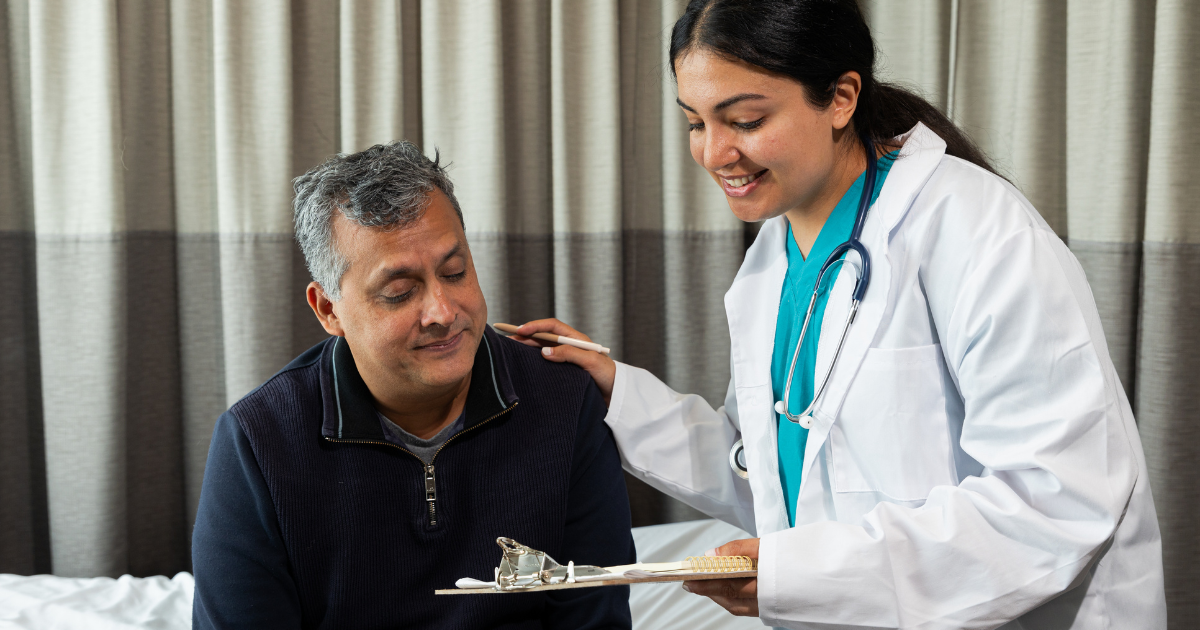
The best approach for determining if your medical condition meets eligibility criteria is by making an appointment with a licensed medical cannabis physician. There are many online platforms where patients can easily arrange a quick telehealth visit to determine their eligibility for a medical cannabis certificate.
During the 15-30 minute telehealth appointment, the physician will talk with you about your condition, ask you about any symptoms you are having, and ask about your previous treatments so that they can determine whether you will qualify for a medical cannabis certificate. You aren’t obligated to request an evaluation, and many services are upfront about your eligibility and provide guidance before you even schedule the telehealth appointment.
A Condition Is Still Required – But You May Qualify and Not Know It
The important point to note is that in order for an individual to gain access to cannabis within New York’s medical cannabis program, they must have an actual qualifying medical condition. The definition of what constitutes a qualifying condition is broader than most people think; you could find yourself qualifying for cannabis even if you did not previously think you would.
Chronic pain, anxiety associated with PTSD, chronic sleep issues, and chronic neurologic pain are conditions that many patients within New York State have successfully obtained certification for in order to legally access cannabis for use. You may be surprised and can benefit from a consultation with a medical provider to help clarify your potential eligibility for a certification.
Frequently Asked Questions
Do I need to have a condition from the official list to get a medical marijuana card in New York?
Not necessarily. While New York maintains a list of recognized qualifying conditions, licensed practitioners have the discretion to certify patients for other conditions they believe would benefit from cannabis treatment.
Can I get certified for anxiety in New York?
Anxiety alone isn’t explicitly listed as a qualifying condition, but practitioners can certify patients under their clinical discretion. Anxiety connected to PTSD – which is a listed condition – is a more direct path to certification.
What’s the difference between the medical program and just buying recreational cannabis?
Medical patients get practitioner guidance, access to a broader range of products, and are exempt from certain taxes. Recreational cannabis is available to anyone 21+ but doesn’t include these benefits.
Will a practitioner certify me just because I want cannabis?
No. Certification requires a genuine medical condition. Practitioners make a clinical determination – they won’t certify someone who doesn’t have a legitimate health need.
How do I know if my condition qualifies before booking an appointment?
Check the OCM’s qualifying conditions list as a starting point. If your condition isn’t listed, schedule a consultation anyway – a licensed practitioner can tell you definitively whether they can certify you based on your individual case.
Resources