
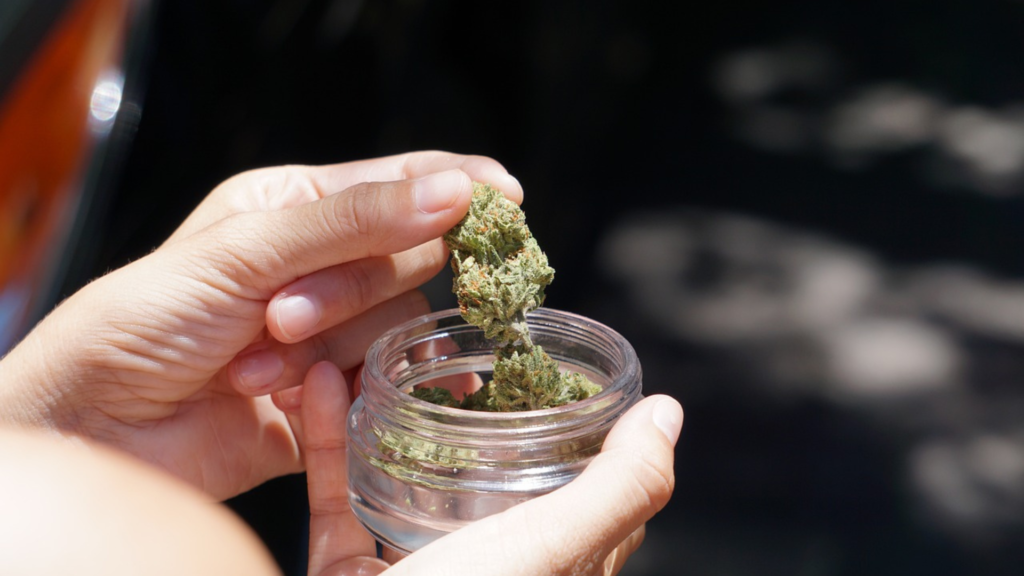
New York Medical Cannabis
Many individuals in New York who are considering obtaining a medical marijuana card, but still do not qualify, are confused about what qualifies one as a “qualified patient.” This is a very common question people have prior to beginning the process to obtain their card. The answer is a lot more simple than most people think.
New York has one of the easiest medical marijuana programs to qualify for, compared to other states across the country. Over the years, New York has continued to increase the growing list of conditions that are covered as qualifying conditions, and now physicians can decide whether to certify a patient so long as they are a licensed medical professional. Therefore, if you would like to know if you qualify for medical marijuana, here is what you will need to know to make that determination:
The Basic Requirements
To apply for a medical marijuana card in New York, please see that you require these basic qualifications:
- A resident of New York State
- Not less than 18 years, while minors must enroll with a designated caregiver
- Must suffer from a qualifying medical condition
- A bona fide certification from a state-licensed medical cannabis practitioner
That is basically it; there is no criminal background check, no income requirement, and no history of treatment prior to the application. If you reside in New York, have a qualifying condition, and can find a practitioner to certify you, you meet the requirements for an application.
What Are the Qualifying Conditions in New York?
New York’s qualifying conditions list has grown significantly since the program launched. As of 2026, the state recognizes a broad range of conditions. Here are the most common ones:
Chronic Pain
New York is known for being a state where there are a variety of different qualifying criteria that help people gain access to medical marijuana. Chronic pain is considered by many to be the most common way to qualify for a medical marijuana card in NYS. Many patients deal with chronic pain every day, which means a lot of people may qualify based on their medical history. Chronic pain can be caused by various factors, including injuries, nerve damage, or severe musculoskeletal conditions, etc.
PTSD (Post-Traumatic Stress Disorder)
The other condition that can cause someone to qualify is PTSD, and medical marijuana has been effective with the anxiety, sleep issues, difficulty focusing & hypervigilance related to PTSD.
Cancer
Another condition that qualifies for medical marijuana is Cancer. Medical marijuana has been used to control symptoms that arise from cancer treatment (i.e., nausea, pain, & appetite suppression) in many situations.
Epilepsy and Seizure Disorders
CBD strains have performed remarkably well treating epilepsy – especially the more difficult type (resistant to treatment). The use of CBD to control seizures via medical marijuana has one of the strongest humanitarian cases to support its continued availability for patients in New York State.
Multiple Sclerosis (MS)
MS patients often use medical cannabis to manage spasticity, nerve pain, and sleep issues. It’s been recognized as a qualifying condition in New York since the early days of the program.
Parkinson’s Disease
Medical cannabis may help with tremors, stiffness, and sleep-related symptoms associated with Parkinson’s. New York recognizes this as a qualifying condition.
Amyotrophic Lateral Sclerosis (ALS)
ALS patients in New York are eligible for medical cannabis to help manage pain, muscle spasms, and other symptoms associated with the disease.
Inflammatory Bowel Disease (IBD)
This includes conditions like Crohn’s disease and ulcerative colitis. Patients dealing with chronic digestive inflammation and related pain may qualify.
Neuropathy
Nerve pain – whether from diabetes, injury, or other causes – is a qualifying condition. Cannabis has been shown to help with neuropathic pain that doesn’t always respond to standard medications.
Opioid Use Disorder
New York recognizes opioid use disorder as a qualifying condition, reflecting the state’s commitment to offering alternatives as part of broader addiction treatment.
Other Conditions
New York also recognizes several other conditions, including:
- HIV/AIDS
- Huntington’s disease
- Spinal cord damage with spasticity
- Substance use disorder (as a substitute for opioids)
What If My Condition Isn’t on the List?
What sets New York’s program apart is that there are no restrictions for people with these conditions. If a medical cannabis doctor thinks you would benefit from medical cannabis, they can sign off on your recommendation even if your condition is not listed as qualifying at the state level. However, to do this, the doctor will have to obtain clinical justification.
So, even though your specific condition is not listed, it is still possible for you to obtain a recommendation if your doctor feels that medical cannabis will be a good addition to your care. There have been numerous conditions signed-off on by medical cannabis doctors, including: anxiety, insomnia, migraines, fibromyalgia and arthritis.
The only way to determine if you will qualify is to contact a licensed medical marijuana doctor for an evaluation.
The Role of the Certifying Practitioner
Your certifying practitioner is central to the qualification process. They’re the ones who review your medical history, assess your condition, and ultimately decide whether to issue a certification.
To certify you, they’ll typically want to know:
- Your diagnosis and how long you’ve had it
- What treatments you’ve tried and how effective they’ve been
- Your current symptoms and how they affect your daily life
- Whether medical cannabis is a suitable option given your overall health
You don’t need to have tried and failed every other treatment first. But having some medical history to share – previous diagnoses, prescriptions, or doctor’s notes — helps the practitioner make an informed decision.
Appointments can be done entirely via telehealth, which makes the process fast and convenient. Most consultations last 15–30 minutes.
Do You Need a Referral from Your Primary Care Doctor?
In New York, you do not need to see a medical cannabis doctor through your primary care doctor, and you can schedule an appointment with a healthcare professional that certifies marijuana users right away without any prior authorization. Additionally, having medical records from your primary care physician or a specialist that provide proof of your diagnosis and treatment history will help make your visit with the certified cannabis practitioner an easier one.
Is There a Medical Records Requirement?
While there is no hard and fast rule stating that you have to bring your medical records with you to the appointment, most practitioners will ask about your health status and treatment history during the consultation. By having all of the proper documentation regarding your medical condition including previous documentation of your condition (diagnosis) or medication (prescriptions) or even statements from your physician, you can show that you are entitled to receive a recommendation for medical cannabis and will make your consult process less complicated.
If for some reason you do not have the proper documentation, that should not deter you from scheduling an appointment with a certified medical cannabis doctor; that practitioner can still assess you just based on the symptoms and medical history that you give them.
How Long Does the Qualification Process Take?
Once you’ve booked your telehealth appointment, the timeline moves quickly:
From start to finish, most patients are fully registered and able to visit a dispensary within a week of their initial appointment – sometimes faster.
How Much Does It Cost to Qualify?
New York does not charge a state registration fee for the medical cannabis program. Your primary cost will be the practitioner consultation fee, which varies by provider. Telehealth platforms typically offer competitive pricing, and many specialize in renewals and new certifications at flat rates.
If you’re looking for a reliable, affordable place to start, NY Marijuana Card connects New York patients with licensed practitioners for fast telehealth certifications – with transparent pricing and no hidden fees.
What Happens After You Qualify?
Once your practitioner submits your certification and the OCM processes your registration, you’ll be an active patient in New York’s medical cannabis program. From there, you can:
- Visit any licensed medical dispensary in New York
- Purchase cannabis products appropriate for your condition
- Access a wider range of formulations than what’s available in the adult-use recreational market at some dispensaries
- Renew your certification annually to maintain active status
Your patient status is valid for one year. Before it expires, you’ll need to complete the renewal process – which is just as simple as the initial application and can also be done entirely online.
The Bottom Line
Qualifying for a medical marijuana card in New York comes down to one thing: having a condition that a licensed practitioner believes would benefit from cannabis treatment. With a broad qualifying conditions list and flexible practitioner discretion, more people qualify than they realize.
If you’ve been on the fence, the easiest next step is simply booking a consultation. A 15-minute telehealth call can tell you definitively whether you qualify – and if you do, you could have your card within a week.
Frequently Asked Questions
What is the easiest condition to qualify for a medical marijuana card in New York?
Chronic pain is the most commonly cited qualifying condition in New York. If you have documented or ongoing chronic pain that hasn’t responded well to other treatments, it’s one of the more straightforward paths to certification.
Can I qualify for a medical marijuana card in New York for anxiety?
Anxiety isn’t explicitly listed as a standalone qualifying condition, but practitioners have the discretion to certify patients for conditions they believe would benefit from cannabis – which can include anxiety, especially when connected to PTSD or another qualifying diagnosis.
Do I need to bring medical records to my certification appointment?
Not necessarily, but having records of your diagnosis and treatment history makes the process smoother. Most practitioners will evaluate you based on your consultation even without formal documentation.
How do I know if my condition qualifies before booking an appointment?
Review New York’s qualifying conditions list from the OCM, or simply book a consultation – many providers offer quick pre-screening to help you determine eligibility before your formal appointment.
Can I qualify if I’ve only used recreational cannabis before?
Yes. Your prior cannabis use – recreational or otherwise – has no bearing on your medical eligibility. Qualification is based entirely on your medical condition and a practitioner’s assessment.
Resources
-
- cannabis.ny.gov/medical-cannabis
- cannabis.ny.gov – Proposed Medical Cannabis Program Regulations
- cannabis.ny.gov – OCM Practitioner Brochure (PDF)
- en.wikipedia.org – NY Office of Cannabis Management
- cannabis.ny.gov/medical-cannabis-program-faqs
- cannabis.ny.gov
- nysenate.gov – Patient and Doctor Info (PDF)
- cannabis.ny.gov/contact-us